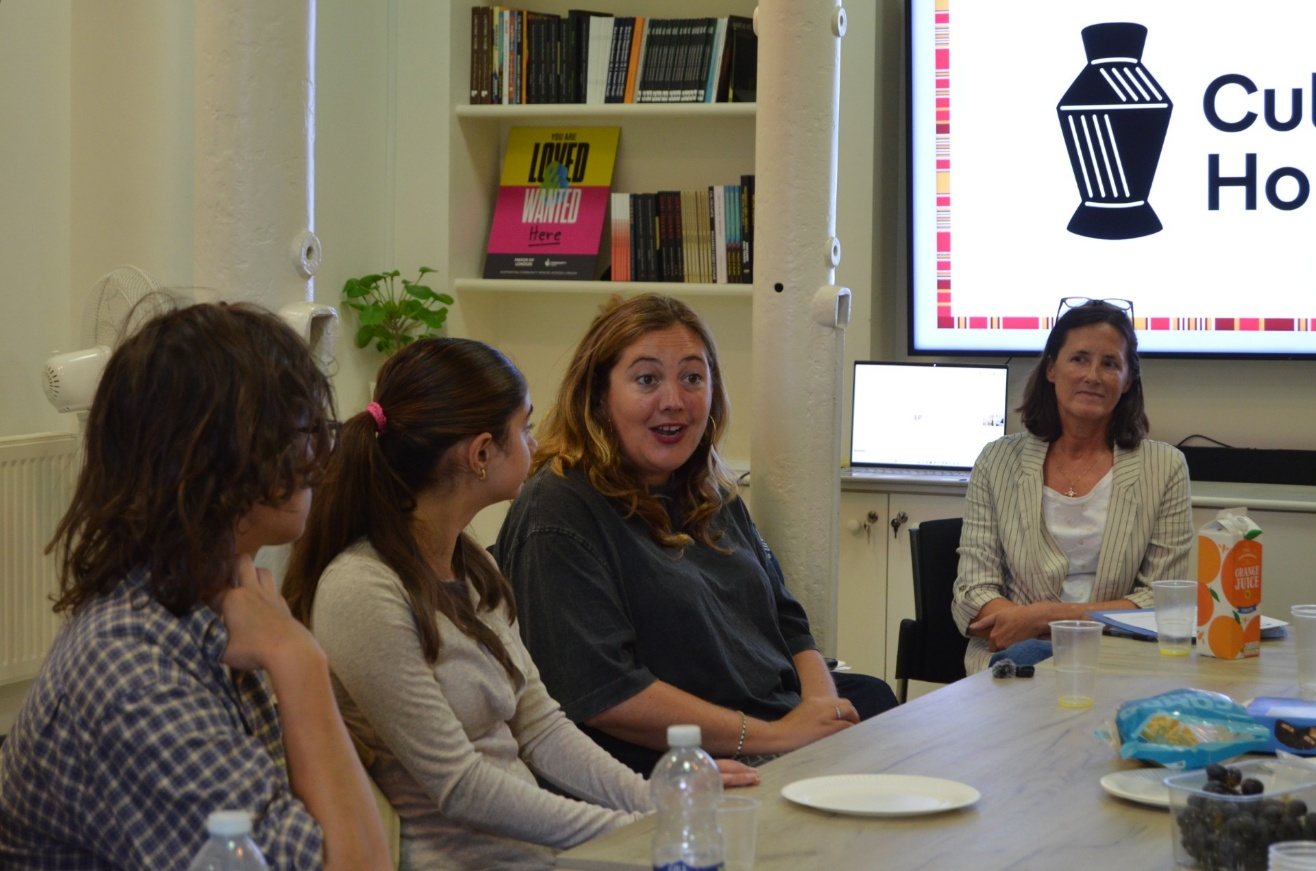
Young Hammersmith & Fulham’s Young Grant Makers programme placed £50,000 of funding decisions entirely in the hands of young people aged 16 to 25 from Hammersmith and Fulham. Ten young people were recruited as panellists, supported by a lead youth facilitator who was themselves a Young Grant Makers alumnus of five years and a former Member of Youth Parliament for the borough.
At a glance
- 10 Young Grant Makers aged 16 to 25, plus 1 Young Facilitator (a programme alumnus)
- £50,000 given out in grants of up to £6,000
- 10 local organisations funded in 2025
- 6 hours of training before the panel, and paid for all of their time
How young people made the funding decisions
Due diligence is undertaken by Young H&F on every application before it reaches the panel. Young people then reviewed the applications from local charities and CICs, watched video submissions from each applicant, and scored them.
Final funding decisions were made democratically by the panel. Young H&F staff and a representative from John Lyon’s Charity attended as observers and facilitators but held no vote. Local context and additional information was given on applicants, particularly where they had been visited the previous year after receiving a grant or were an active member of the Young H&F community, but this was for information only. The decisions were entirely the young people’s own.
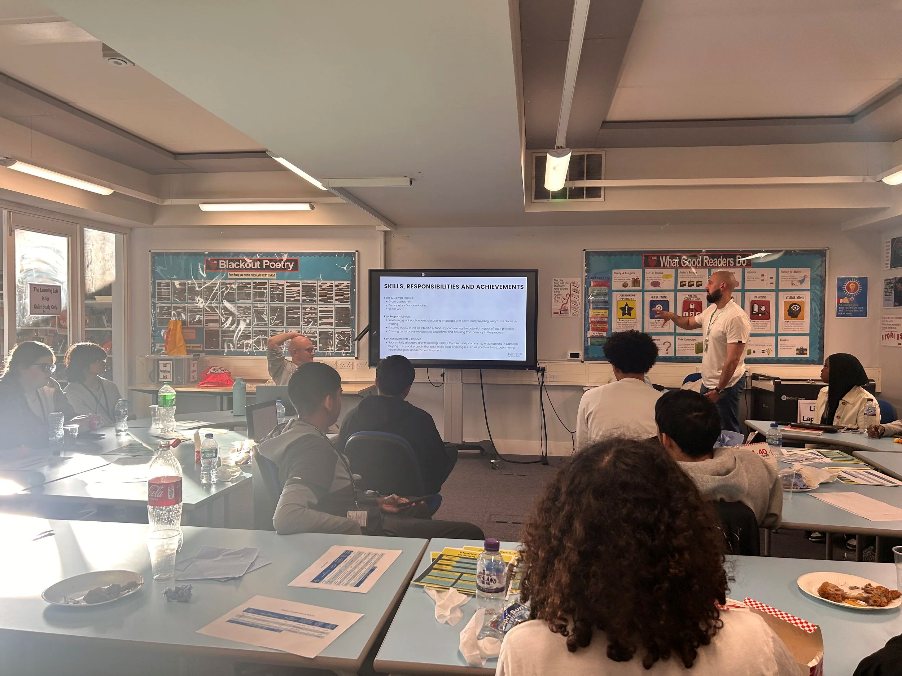
Following the panel, the Young Grant Makers took part in the Funded Futures Forum, a session bringing together the 2025 panellists and successful grantees to hear directly how the funded work was going. Panellists shared why they chose to fund each organisation, what stood out in their work and application, and anything that could have been showcased better. Grantees shared wins, challenges and the young people they had worked with.
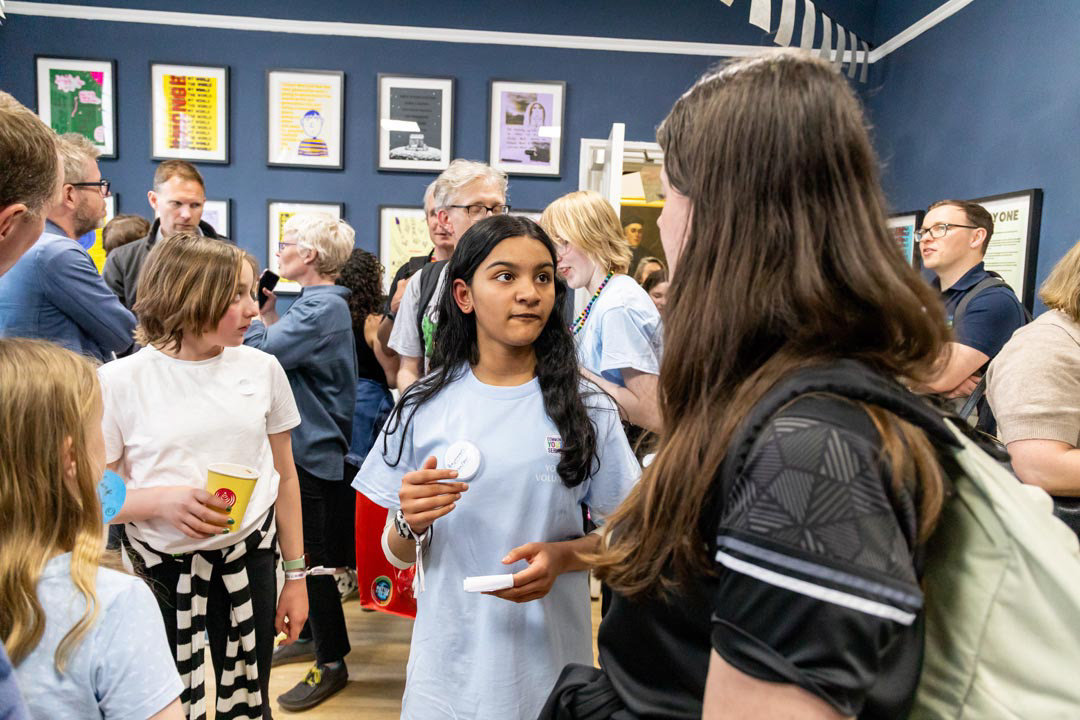
Young Grant Makers also visited grantees in person, including joining a live session at St John XXIII Catholic Primary School to sit on the mock trial panel as part of the Lawyers4Learners programme they had funded.
Training and support
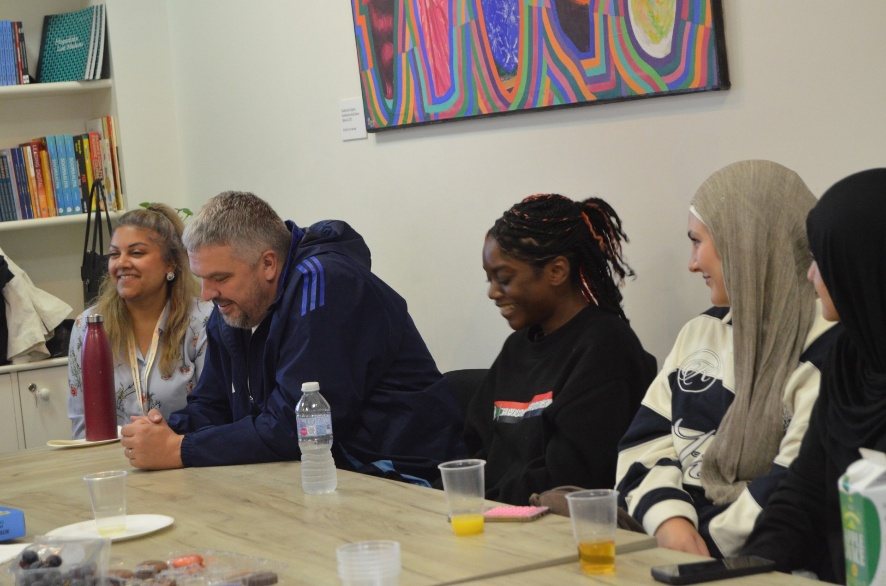
Young Grant Makers took part in two full training sessions before the panel, totalling six hours. Training covered:
- the purpose and principles of grant-making for charities and CICs
- the local charity and funding context in Hammersmith and Fulham
- how to read and assess a charity’s application and financial documents
- the five scoring criteria and how to apply them consistently
- how to have constructive disagreements and reach a shared decision
- the ethical responsibilities of making funding decisions that affect real organisations and real young people.
Young people shared the changes they wished to see for other young people in the borough and brainstormed where the gaps might be, drawing on their own experience.
Panellists were paid for their time throughout, including training, the panel sessions, visits and the Funded Futures Forum. They were supported by a lead youth facilitator with five years of experience in the programme, who understood the process from the inside and could support newer panellists from a position of genuine peer experience rather than as a staff member.
Accessibility and support needs were considered individually. Young H&F checked in with each panellist ahead of sessions and adjusted communication, materials or timing where needed.
After the panel, panellists joined the Funded Futures Forum and grantee visits, extending their learning beyond the funding decision itself into understanding real-world impact. This was a deliberate design choice: to develop their capacity as civic leaders rather than treating the panel as a one-off event.
Why involve young people in funding decisions?
The core argument for this model is that young people from the borough understand what young people in the borough actually need. They know which organisations are reaching the young people most overlooked, which offers feel genuine, are needed and are likely to have the intended impact, and which gaps remain unfilled.
The 2025 cohort funded ten organisations reaching young people across a wide range of experiences and identities: Muslim girls in sport, young people affected by domestic violence, those experiencing homelessness, children in the criminal justice system, and others who rarely appear in standard funding data. These are not organisations that easily navigate competitive grant processes. They are often very small (a turnover of no more than £150,000 to be eligible), with deep community roots and limited capacity for paperwork. The Young Grant Makers recognised their value and impact in a way that a traditional panel might have missed.
100% of the 2025 panellists rated their experience as excellent. All reported feeling heard, valued and supported, and described the experience as significantly changing how they think about funding and community.
Young Grant Makers 2025 panellist feedback
Several panellists have gone on to take on roles in other civic and community spaces. The programme does not just produce better funding decisions. It produces a group of informed, confident community leaders who understand how resources flow and how to influence where they go, and who keep a passion for being active in their community.
Find out more
- Young Grant Makers 2023–2025 impact report
- Young Grant Maker to funded organisation: closing the loop on youth-led investment
- Young Grant Makers visit Lawyers 4 Learners
Case study and photos provided by Young Hammersmith & Fulham.